
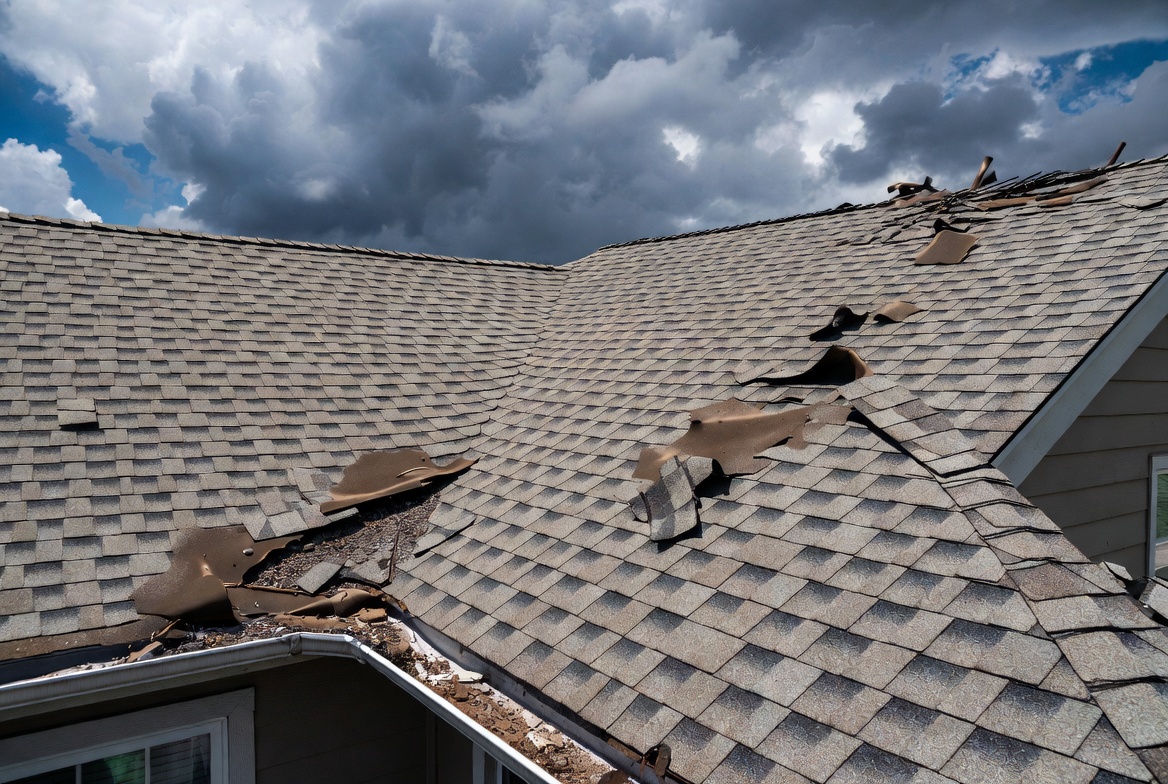
Roof shingles are one of the most widely used roofing materials in residential and commercial buildings. They form the first line of defense against rain, wind, sun, snow, and other environmental conditions. Despite their durability and popularity, roof shingles are not immune to problems. Over time, they can deteriorate due to weather exposure, poor installation, lack of maintenance, or natural aging.
Understanding common roof shingle problems is essential for homeowners because early detection can prevent costly repairs, structural damage, and interior water leaks. Many roofing failures begin with small, unnoticed issues that gradually become serious.
This article explains roof shingles from the ground up, explores the most common problems in detail, discusses causes, prevention methods, and provides advanced insights for long-term roof protection.
Understanding Roof Shingles From the Basics
Roof shingles are individual overlapping elements installed in rows on a roof deck. Their primary purpose is to shed water and protect the underlying structure.
Types of Roof Shingles
Different materials are used in shingle manufacturing:
Asphalt Shingles
The most common type due to affordability, ease of installation, and durability. They are widely used in residential roofing.
Wood Shingles
Made from cedar or other natural wood, offering a traditional aesthetic but requiring more maintenance.
Metal Shingles
Highly durable and resistant to extreme weather conditions, often used in modern roofing systems.
Composite Shingles
Manufactured from synthetic materials designed to mimic wood or slate while offering enhanced durability.
Each type has its advantages, but all share common vulnerability to environmental stress and aging.
What Is the Most Common Problem with Roof Shingles?
The most common problem with roof shingles is deterioration due to environmental exposure, which leads to visible damage such as cracking, curling, granule loss, and eventually leaks.
However, this broad issue can be broken down into several specific problems that homeowners frequently encounter.
1. Cracking and Splitting
Cracking is one of the earliest signs of shingle failure.
Causes of Cracking
- Constant exposure to UV rays from the sun
- Expansion and contraction due to temperature changes
- Aging of asphalt material
- Poor-quality shingles or installation errors
Impact of Cracked Shingles
Cracks allow moisture to seep underneath the shingles, weakening the roof deck and increasing the risk of leaks. Over time, even small cracks can expand and lead to full shingle breakage.
Early Warning Signs
- Visible surface lines or splits
- Small pieces of shingle in gutters
- Slight discoloration in affected areas
Cracking is often ignored in early stages, but it is one of the most important indicators that roof maintenance is needed.
2. Curling and Buckling Shingles
Curling occurs when shingle edges lift upward, while buckling refers to uneven or warped surfaces.
Why Curling Happens
- Poor attic ventilation trapping heat and moisture
- Aging shingles losing flexibility
- Improper installation or uneven nailing
- Excessive roof moisture exposure
Risks of Curling
When shingles curl, they lose their ability to properly shed water. This exposes the roof to rain infiltration and wind uplift, which can lead to shingle detachment.
Visual Indicators
- Edges of shingles lifting upward
- Wavy or uneven roof surface
- Shadows visible under shingle edges
Curling is often a sign of long-term ventilation or installation issues.
3. Missing or Loose Shingles
Missing shingles are one of the most visible roofing problems and usually occur after strong winds or storms.
Common Causes
- Storm damage and high wind speeds
- Improper nailing during installation
- Aging adhesive failure
- Poor-quality roofing materials
Why It Is Serious
Missing shingles expose the roof underlayment directly to rain, which can quickly lead to leaks and structural damage. Even a few missing shingles can compromise the entire roofing system.
Warning Signs
- Bare patches on the roof
- Shingles found in yards after storms
- Sudden indoor leaks after rainfall
This issue requires immediate attention to prevent further damage.
4. Granule Loss
Granules are small mineral particles on asphalt shingles that protect against UV rays and weather damage.
Causes of Granule Loss
- Natural aging of shingles
- Heavy rain and storm impact
- Foot traffic on roofs during maintenance
- Low-quality shingles
Effects of Granule Loss
When shingles lose granules, they become more vulnerable to sun damage, cracking, and faster deterioration. The roof loses its protective layer, significantly reducing its lifespan.
Signs to Look For
- Granules accumulating in gutters
- Bald or shiny patches on shingles
- Discolored roof areas
Granule loss is often an early indicator that a roof is nearing the end of its service life.
5. Roof Leaks and Water Damage
Leaks are the final stage of many shingle problems.
How Leaks Develop
Cracked, missing, or curled shingles allow water to penetrate beneath the roof surface. Over time, water spreads through insulation, wooden structures, and ceilings.
Consequences of Roof Leaks
- Ceiling stains and paint damage
- Mold and mildew growth
- Weakening of structural wood
- Increased energy costs due to insulation damage
Early Signs Inside the Home
- Brown or yellow ceiling spots
- Damp attic insulation
- Musty odors indoors
Leaks often indicate that multiple shingle problems have already been ignored.
Causes of Roof Shingle Problems
While individual issues vary, most shingle problems originate from a few key root causes:
Weather Exposure
Constant exposure to heat, rain, snow, and wind gradually breaks down roofing materials.
Poor Installation
Incorrect nailing, uneven placement, or low-quality workmanship significantly reduces shingle lifespan.
Lack of Maintenance
Neglecting regular inspections allows minor problems to evolve into major damage.
Aging Materials
All roofing materials have a limited lifespan. Even the best shingles deteriorate over time.
Poor Ventilation
Trapped heat and moisture in the attic accelerate shingle deterioration from below.
How to Identify Roof Shingle Problems Early
Early detection is critical in preventing expensive repairs.
Exterior Inspection
- Look for missing or curled shingles
- Check for discoloration or dark patches
- Observe roof edges after storms
Gutter Inspection
- Check for granule accumulation
- Look for shingle debris
Interior Inspection
- Inspect ceilings for stains or damp spots
- Check attic for moisture or mold
Seasonal Checks
Roof inspections should be done at least twice a year, ideally before and after extreme weather seasons.
Prevention and Maintenance Strategies
Preventing shingle damage is more cost-effective than repairing it.
Regular Roof Inspections
Professional inspections help identify early-stage issues before they worsen.
Proper Attic Ventilation
Balanced airflow reduces heat buildup and moisture accumulation.
Timely Repairs
Replacing damaged shingles immediately prevents further deterioration.
Quality Material Selection
Investing in high-quality shingles increases durability and resistance.
Storm Preparation
Regularly checking roof condition before storm seasons reduces risk of sudden damage.
When to Replace Roof Shingles Instead of Repairing
Not all damage can be repaired effectively. Replacement is necessary when:
- More than 30 percent of shingles are damaged
- The roof is nearing the end of its lifespan
- Repeated leaks occur in different areas
- Severe curling and granule loss are widespread
In such cases, partial repairs may only provide temporary relief.
Advanced Roofing Insight: Why Small Shingle Problems Escalate Quickly
Roof systems work as integrated layers. When shingles fail, they expose underlying components such as underlayment and decking. Water infiltration spreads horizontally before becoming visible, which means damage is often more extensive than it appears.
This is why early intervention is crucial. A single missing shingle can eventually lead to insulation damage, mold growth, and structural weakening if ignored.
FAQs
What is the most common roof shingle problem?
The most common problem is deterioration caused by weather exposure, leading to cracking, curling, granule loss, and leaks.
How long do roof shingles usually last?
Asphalt shingles typically last 15 to 30 years depending on quality, installation, and climate conditions.
Can damaged shingles be repaired or must they be replaced?
Minor damage can often be repaired, but widespread issues usually require replacement.
What causes shingles to curl?
Curling is mainly caused by poor ventilation, aging materials, and heat or moisture imbalance in the attic.
How do I know if my roof has granule loss?
You may notice granules in gutters or bald patches on shingles where the surface appears smooth or shiny.
Are roof shingle problems covered by insurance?
It depends on the cause. Storm-related damage is often covered, while aging or wear and tear usually is not.
How often should I inspect my roof shingles?
At least twice a year and after major storms is recommended.
Conclusion
Roof shingles are a critical part of any roofing system, but they are not permanent. Over time, exposure to weather, aging, and maintenance neglect leads to common problems such as cracking, curling, missing shingles, granule loss, and leaks.
Understanding these issues from basic to advanced levels helps homeowners take proactive steps in maintenance and repair. Regular inspections, timely repairs, and proper installation are key to extending roof life and preventing costly structural damage.
A well-maintained roof not only protects the home but also ensures long-term safety, efficiency, and value.